
About Us
What is acupuncture?
Acupuncture involves inserting thin needles at selected points on the body. Research suggests it may help with some pain conditions. Evidence and individual responses vary; it is not a treatment for every illness.
Personalized Acupuncture in a Calm, Welcoming Setting
Discover a More Natural
Approach to Everyday Wellness


A Welcoming Space
Comfort From The Start
Welcoming Setting
Personalized Acupuncture Care in a Welcoming Setting


Gentle & Supportive
Your Goals In Focus
Support for Your Personal Health & Wellness Goals


Consistent Care
Built Into Your Life
Make Wellness a Part of Your Regular Routine
How does it work?
Acupuncture may influence the nervous system and tissues involved in pain processing. Its mechanisms are still being studied. Traditional concepts such as qi and meridians are cultural frameworks, not established medical explanations of disease.
Does acupuncture primarily effect the nervous system to relieve pain?
Acupuncture may affect pain processing and may help some people manage certain pain conditions. Evidence varies by condition, and benefit is not guaranteed. A clinician should assess unexplained or persistent pain.
Can acupuncture help people stop smoking and lose weight?
Evidence does not establish acupuncture as a reliable way to stop smoking or lose weight. Discuss smoking cessation and weight management with your healthcare professional, who can recommend established options.
How many treatments are necessary?
The number of sessions varies with your goals and response. Agree on an initial plan and a review date with your practitioner. There is no guaranteed minimum course or lasting result. Seek medical review if symptoms persist or worsen.
What kinds of diseases can acupuncture treat?
Acupuncture may help manage some pain conditions, including certain types of back, neck and knee pain and headaches. It does not treat every disease or cure serious illness. Discuss persistent symptoms and treatment options with your physician and continue recommended medical care.
Is acupuncture painful?
Acupuncture uses thin needles. You may feel a brief prick, pressure or aching; treatment is not always painless. Bruising, soreness and minor bleeding can occur, and serious complications are possible if treatment is performed improperly. Discuss your medical history before treatment.
How do most people respond to acupuncture?
Responses vary. Some people report symptom improvement, while others notice little change. New or worsening symptoms are not proof of healing and should be discussed promptly with a healthcare professional.
Services we provide
Our experienced and licensed acupuncturists combine traditional wisdom with modern techniques to promote balance and harmony within your body. Whether you seek relief from pain, stress reduction, or support for specific health concerns, our team is dedicated to providing you with personalized care in a tranquil and nurturing environment. Explore the benefits of acupuncture and embark on a journey towards optimal well-being with us.
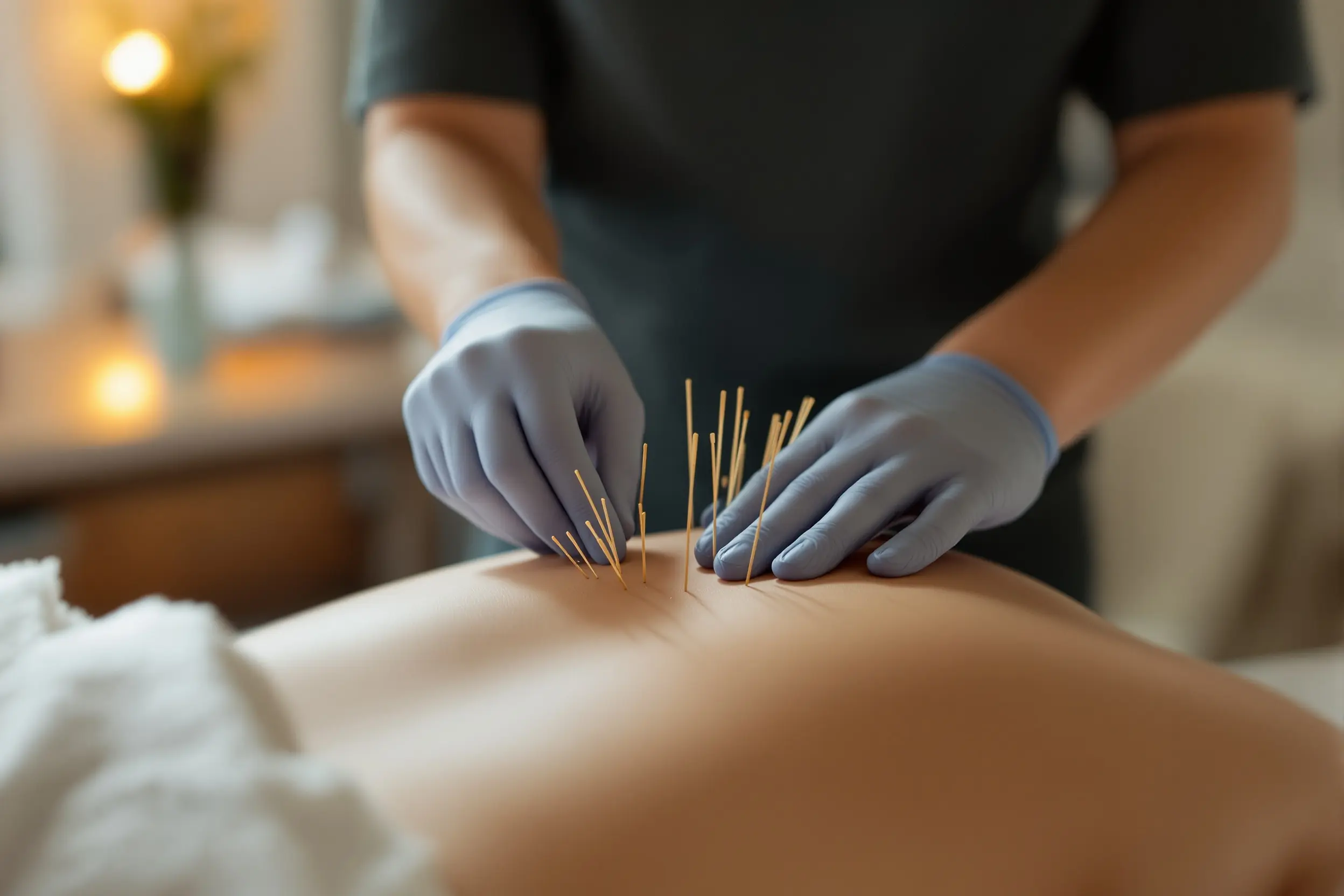
Pain Care
Acupuncture may help manage some pain conditions as part of an individual care plan. It is not effective for every type of pain. Discuss persistent pain and any proposed herbal products with your physician.
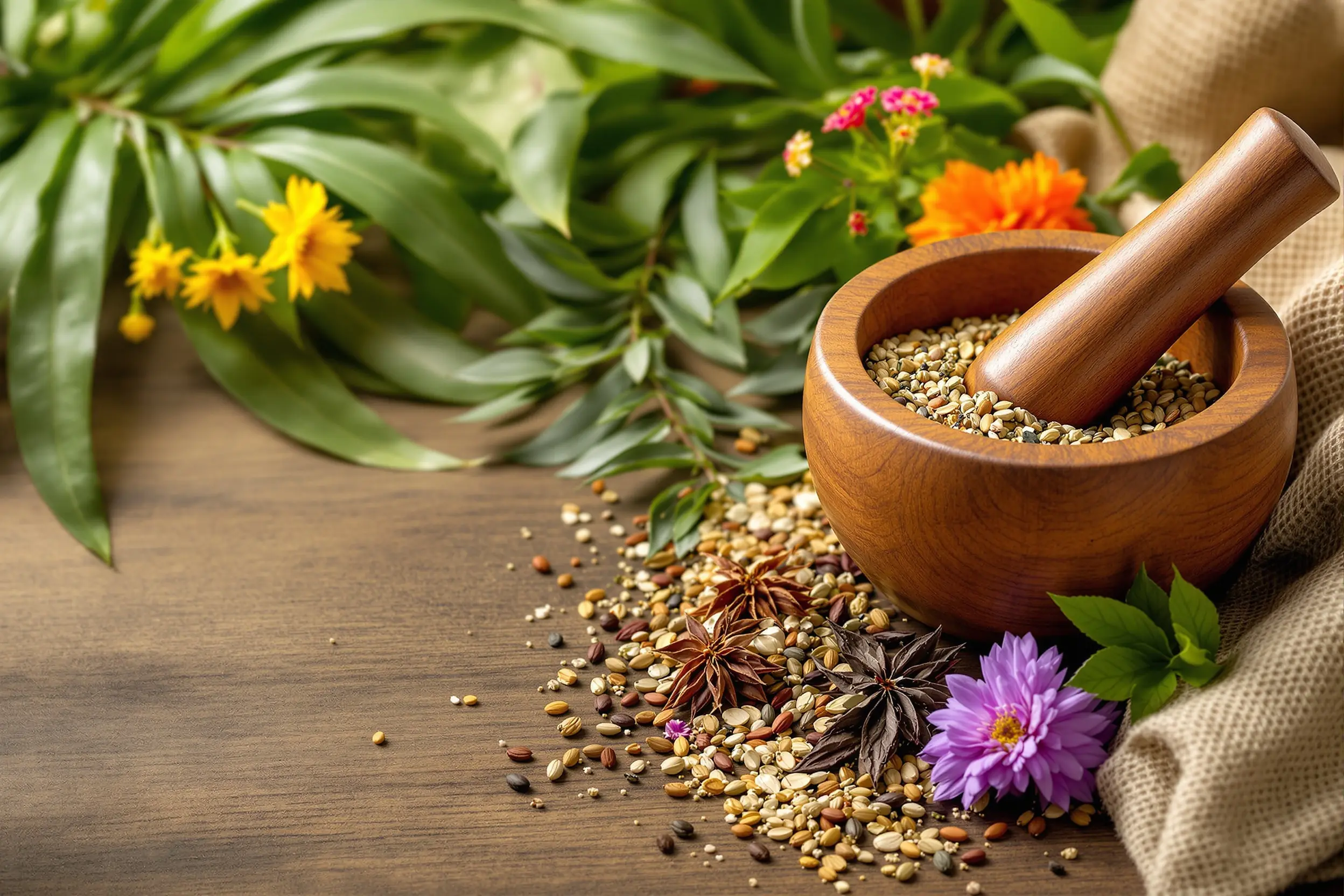
Wellness Consultations
We discuss your personal wellness goals and whether acupuncture may be appropriate alongside medical care. Acupuncture and herbal products are not proven to prevent illness or boost immunity. Herbal products may interact with medicines; consult your physician or pharmacist before use.
Care Alongside Medicine
Acupuncture is not a treatment for cancer, asthma or other serious diseases. These conditions require appropriate medical diagnosis and care. Ask your physician whether any complementary service is suitable for your circumstances.
Our services complement, not replace, medical care. Consult your physician. Results vary, and no outcome is guaranteed.
Read NIH/NCCIH guidance on acupuncture effectiveness and safety.